Our State-of-the-Art Surgical Facility and Office
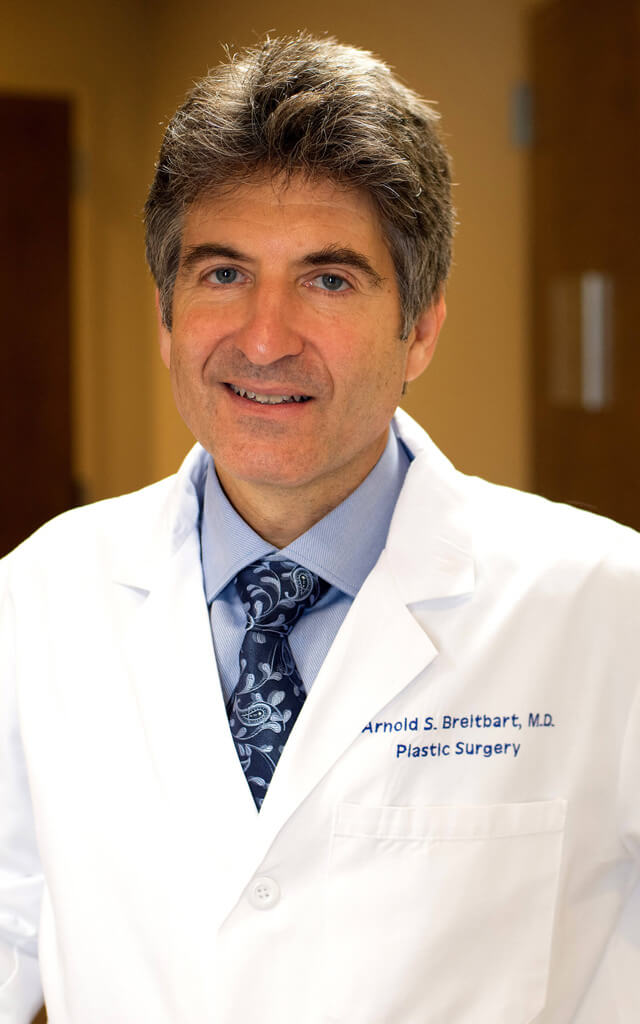
Dr. Breitbart's high-end plastic surgery office and surgical suite provide cosmetic treatments and procedures emphasizing patient safety and optimal results. His surgical facility is accredited by the AAAASF (American Association for Accreditation of Ambulatory Surgery Facilities), an organization known as the "gold standard" for certifying surgical locations.
AAAASF requires all facilities to meet stringent standards, including patient safety standards and strict qualification standards for surgeons and staff members. Surgical suites and hospitals must display the accreditation certificate in public view and are evaluated with a survey annually and an onsite inspection every three years. Dr. Breitbart's patients can rest assured they're in excellent hands at our office and surgical suite.
Breast Procedures with Dr. Breitbart
Dr. Breitbart has helped countless women achieve their desired breast size and alterations. He offers breast augmentation and breast lift for those interested in enhancing breast size or restoring a perky chest. Breast reduction, breast reconstruction and inverted nipple correction can increase femininity and comfort with the breast's appearance and feel. Dr. Breitbart offers implant revision for patients who are unhappy with their initial results or experience complications with breast implants.
Body Procedures with Dr. Breitbart
Plastic surgeries for the body can contour nearly any area with excess skin, stubborn fat and loose tissues or muscles. Dr. Breitbart offers liposuction, SmartLipo, tummy tuck and lift procedures for the arms and thighs. People struggling with the dimpled appearance that accompanies cellulite may benefit from Cellulaze. Buttock augmentation can enhance the size and contour of the buttocks for a fuller figure. And mommy makeover procedures combine tummy tuck, breast surgery and other procedures for comprehensive transformation after pregnancy.
Face Procedures with Dr. Breitbart
Facial plastic surgery is a form of art that requires fine detail, an intricate understanding of the facial anatomy and extensive experience. Dr. Breitbart has given many patients their dream results with facelift, eyelid surgery, neck lift, brow lift and chin implants. He offers rhinoplasty and ear surgery and non-surgical options, including Botox, dermal fillers and LaserLift for facial rejuvenation.
Plastic Surgery for Men
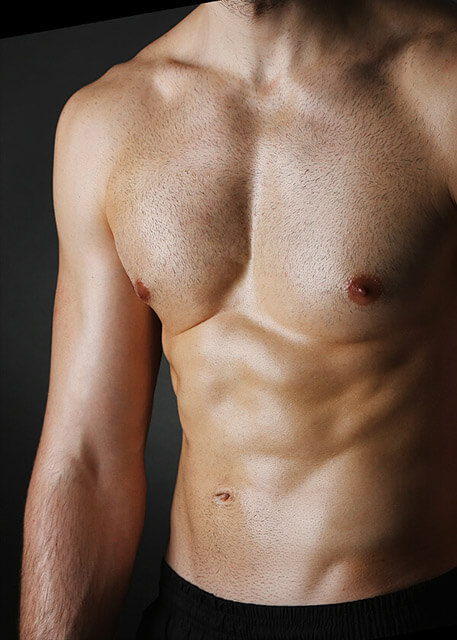
Some procedures are more enticing for men or are geared toward the specific ways men may age differently. Dr. Breitbart offers male breast reduction for men with gynecomastia, as well as body contouring procedures including liposuction, SmartLipo and tummy tuck. Eyelid surgery, nose surgery and injectables are common preferences for men looking to rejuvenate or enhance their appearance and reduce signs of aging.
The Patient Journey from Consultation to Follow-Up
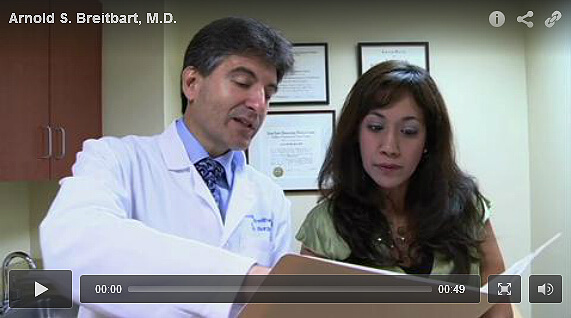
Dr. Breitbart strives to give his patients the highest quality of care. The patient's journey begins with a consultation at our Manhattan and Long Island offices or with a virtual consult. Dr. Breitbart will discuss your options and cosmetic concerns and develop a surgical approach to reach your goals. Post-operative care and follow-up visits are an essential part of the process for patient safety and achieving beautiful results. Patients are given detailed instructions for recovery and several follow-up visits through the first year after plastic surgery. Dr. Breitbart and our staff encourage all patients to contact our offices about concerning symptoms or with questions while they heal.
What Patients Have to Say About Dr. Arnold Breitbart
"I have had many visits with Doctor Breitbart since 2014, and I probably will have many more he is by far the nicest, kindest sweetest, most professional doctor. His staff is awesome, and his surgical team is top-notch. I have had quite a few elective surgeries by Doctor Breitbart, and every surgery came out perfect... I just went for a neck lift and mini facelift on March 30th. I still have the stitches. I get them taken out Monday, and I already see a difference. He is just amazing. I absolutely recommend him to all"
- Abby Kaplan, Health Grades Review
"I struggled for a long time about the decision to have liposuction and abdominoplasty. I went to my consultation with Dr. Breitbart, and his demeanor gave me comfort about my decision and that he was the right person to perform the procedure. For the last six weeks, I have felt that this has been the BEST decision I've made for myself in a very long time. I've said to him on every visit, "you've changed my life." And he loves to reinforce it by showing me the now dreaded "before" picture, LOL. It's very hard to think that I lived inside that body, not living life fully. Just 6 weeks later, I can wear my first bikini, and all my clothes fit as they were meant to. I don't have to wear a larger size simply to accommodate my waistline. I feel and look so much better…and for anyone else struggling with whether or not this is worth the investment and whether or not this is the right doctor, stop your search, you found the right person, don't hesitate!"
- S. Fuller, Health Grades Review
"I don't even know where to begin. Dr. Breitbart and his staff are simply the best. I was beyond impressed with Dr. Breitbart from my first consult appointment to my latest post-op appointment. I am overjoyed with my mommy makeover results! My only regret was waiting so long to do it. Thank you, Dr. Breitbart and staff, for making my surgery effortless!"
- K.B., Health Grades Review